
Public institution · Democratic Republic of the Congo
Innovative financing in the service of education
Building tomorrow’s human capital today, for a stronger, more competitive and more prosperous Democratic Republic of the Congo.
- Documented support, 2022–2025
- Province covered by the network
- Fund headquarters, Kinshasa
-
4,000,000+
pupils benefiting from free primary education
-
26
provinces covered by the Fund’s network
-
6
sub-sector ministries supported
-
251
higher-education institutions supported from 2022 to 2025
Sources: FPEF, 2022–2025 review of support and 2023 annual activity report.
Who we are
The State’s sole body for innovative education financing
The Fonds de Promotion de l’Éducation et de la Formation is a public financial and social institution established by Decree No. 21/06 of 24 November 2021.
It mobilises, manages and redistributes innovative funding for the development of education and vocational training throughout the national territory. It works on behalf of six sub-sector ministries to sustain free primary education and modernise higher and technical education institutions.
- Management autonomyIndependent management of the resources mobilised
- Nationwide coverageOffices in all 26 provinces
- Rigorous oversightAccountable management of public funds
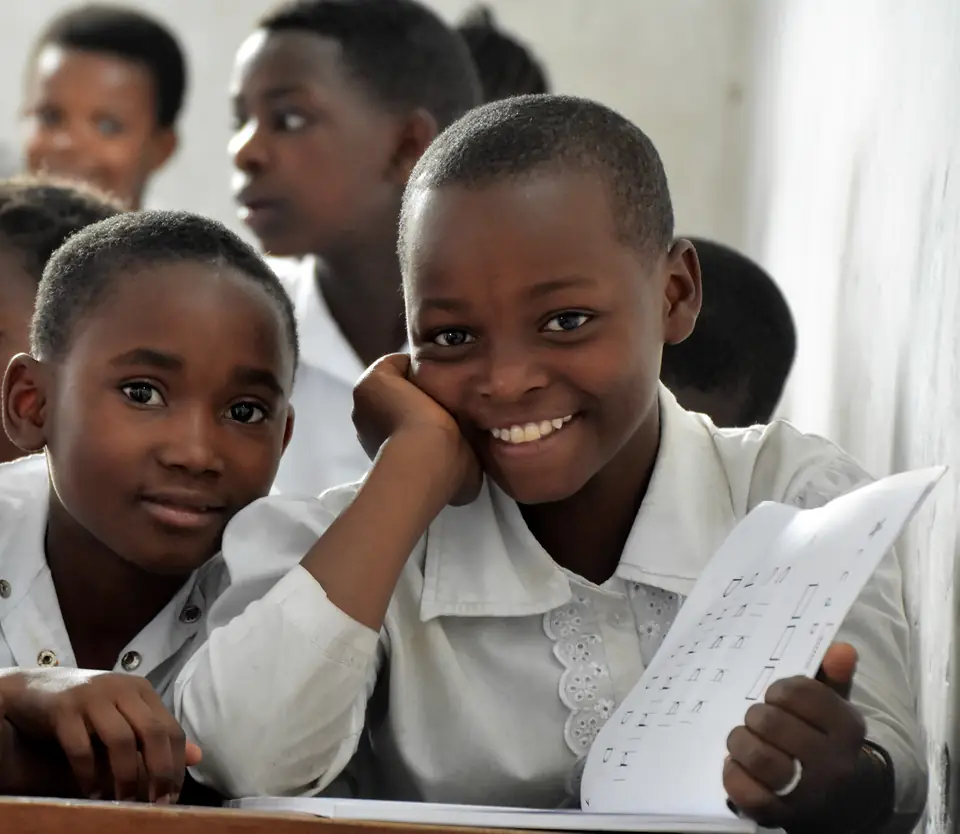 Photo: Julie Polumbo / USAID · public domain
Our core missions
Four levers for the education system
Mobilising innovative resources to provide lasting support for education and training, from primary school to university.
The Fund’s nine missions-
01
Fund
Innovative education projects and infrastructure across the whole country.
-
02
Train
Young Congolese for the jobs of the future, in line with the needs of the labour market.
-
03
Support
Schools, universities and vocational training centres.
-
04
Innovate
For a modern, digital education that meets the demands of the 21st century.
The Head of State’s vision
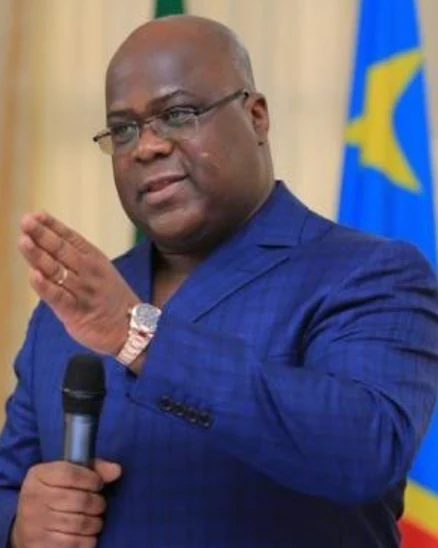
“Education is the priority of priorities. The Congolese State must be able to guarantee its young people access to an education of impeccable quality.”
Félix-Antoine Tshisekedi TshilomboPresident of the Democratic Republic of the Congo
This commitment has been reflected in particular in the introduction of free primary education in public schools and in the promotion of vocational training.
Read the Head of State’s vision2022–2025 review
Practical achievements, from school to university
Equipped institutions, rehabilitated schools and support in 20 provinces: a glimpse of the Fund’s work on the ground.
See the 2022–2025 review-
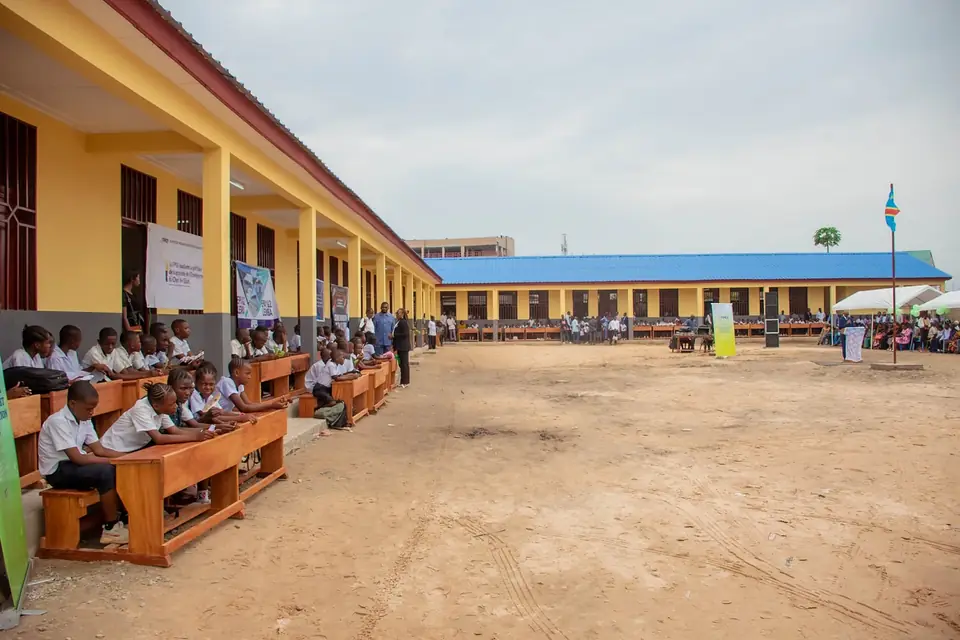 Photo: FPEF
Inauguration of EPA 1 and 2 Lemba, rehabilitated with the FPEF’s own funds -
 Photo: FPEF
Inauguration of a new building at ISTM Kinshasa, delivered by the FPEF in collaboration with The Church of Jesus Christ of Latter-day Saints -
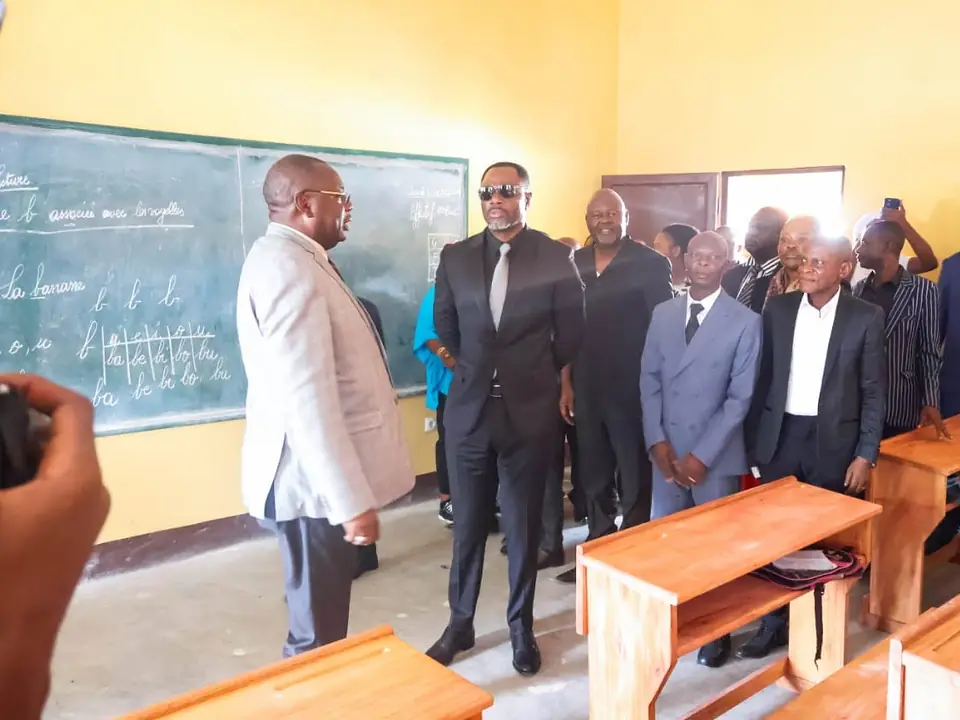 Photo: FPEF
Inauguration of the Maman Sifa school complex, rehabilitated with the FPEF’s own funds -
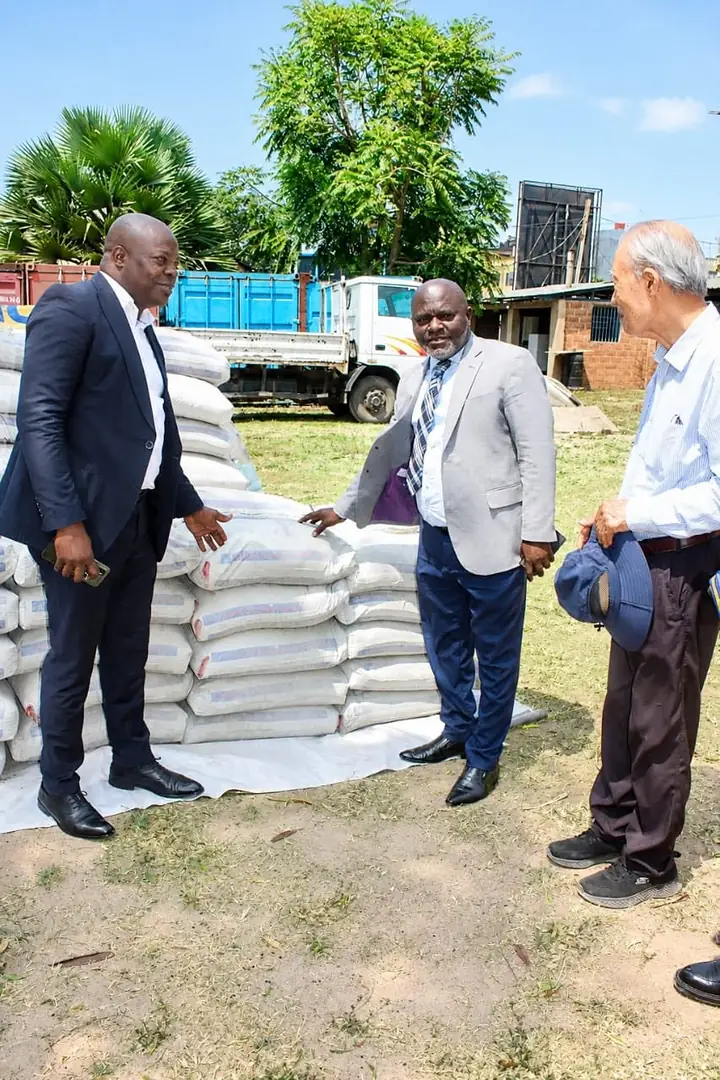 Photo: FPEF
The FPEF hands over 250 bags of cement to the Université protestante de Lubumbashi -
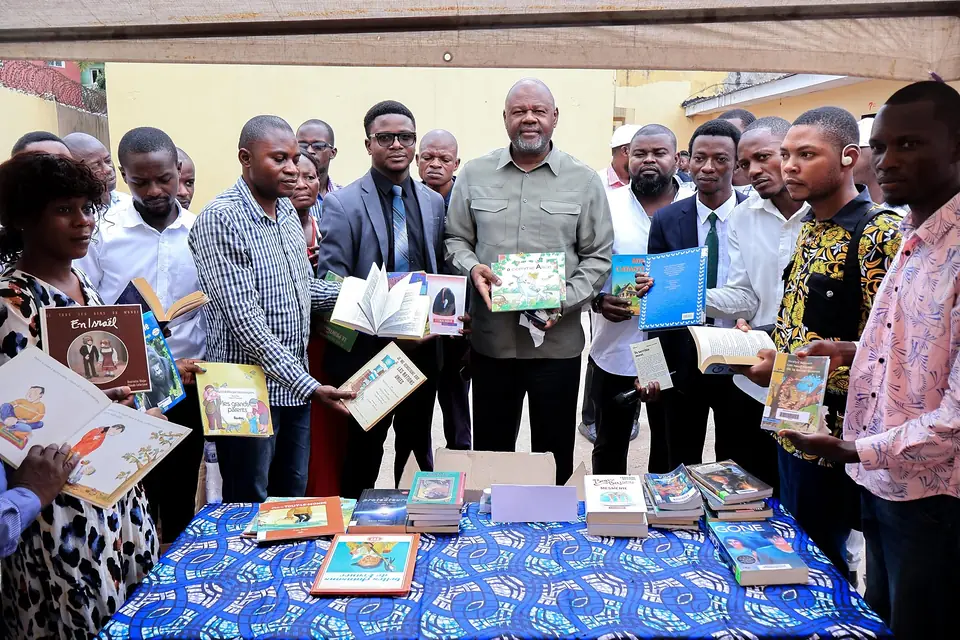 Photo: FPEF
Books and teaching material handed over to school heads
- EDU-NC Primary, secondary and technical education USD 2,117,840 Five actions from 2022 to 2025: rehabilitating reference schools, helping disaster-hit schools, taking in displaced pupils and strengthening the governance of the system.
- ESU Higher and university education USD 1,229,448 309 interventions in 251 institutions: computer equipment, building materials, the UNIKIN incubator and the ISTM Kinshasa lecture hall.
Cumulative record 2022–2025
- 3,347,288USD in total support, 2022–2025
- 309interventions in higher education
- 251higher-education institutions supported
- 20provinces benefiting from higher-education support
Nationwide presence
A network in all 26 provinces
Through its provincial collection and monitoring offices, the Fund operates across the whole country. From 2022 to 2025 its support reached 20 provinces; the map shows the 16 provinces named in its review.
Explore the map- Documented support, 2022–2025
- Province covered by the network
News
The Fund’s news, day by day
Partners
Working together
The Fund works with the private sector, banks, civil society, universities and faith-based organisations.
Our partners- Fédération des Entreprises du CongoPrivate sector
- RAWBANKBanking partner
- Ministry of IndustryPublic institution
- Université de KinshasaHigher education
- Orange Digital CenterDigital
- ONG Mamans BolingoCivil society
- CONEPT RDCCivil society
- André Kadima FoundationFoundation
- The Church of Jesus Christ of Latter-day SaintsFaith-based partner
Publication
2023 annual activity report
For the very first time, the FPEF is publishing an integrated annual report. It covers all of the Fund’s interventions, the resources mobilised and the reorganisation of its services around the 2023–2025 three-year plan.